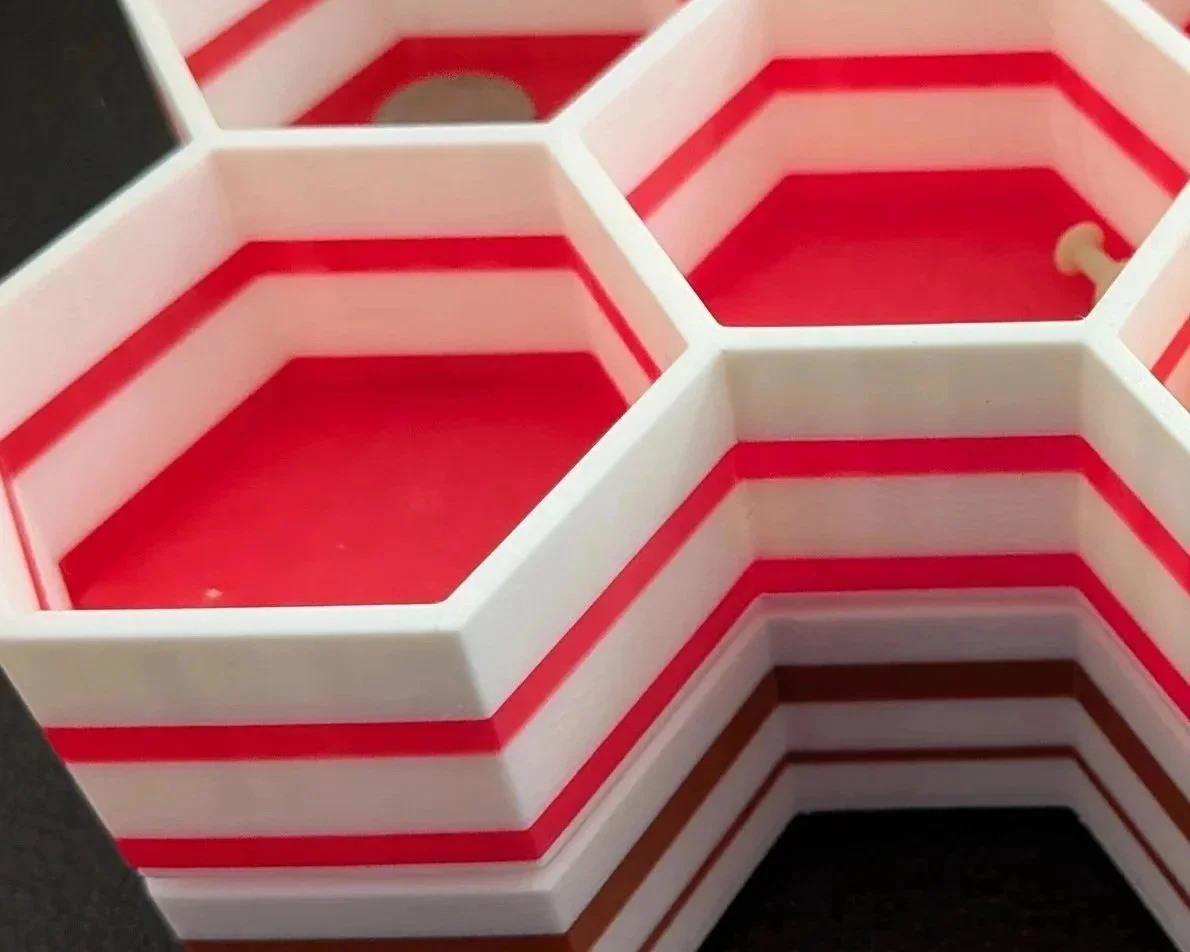
Swapping Filament Colors Mid-Print: Layer-Based Color Change
This 3D printing technique involves the user changing the printer settings so that the printer stops at a certain layer height, allowing the user to then swap filament.
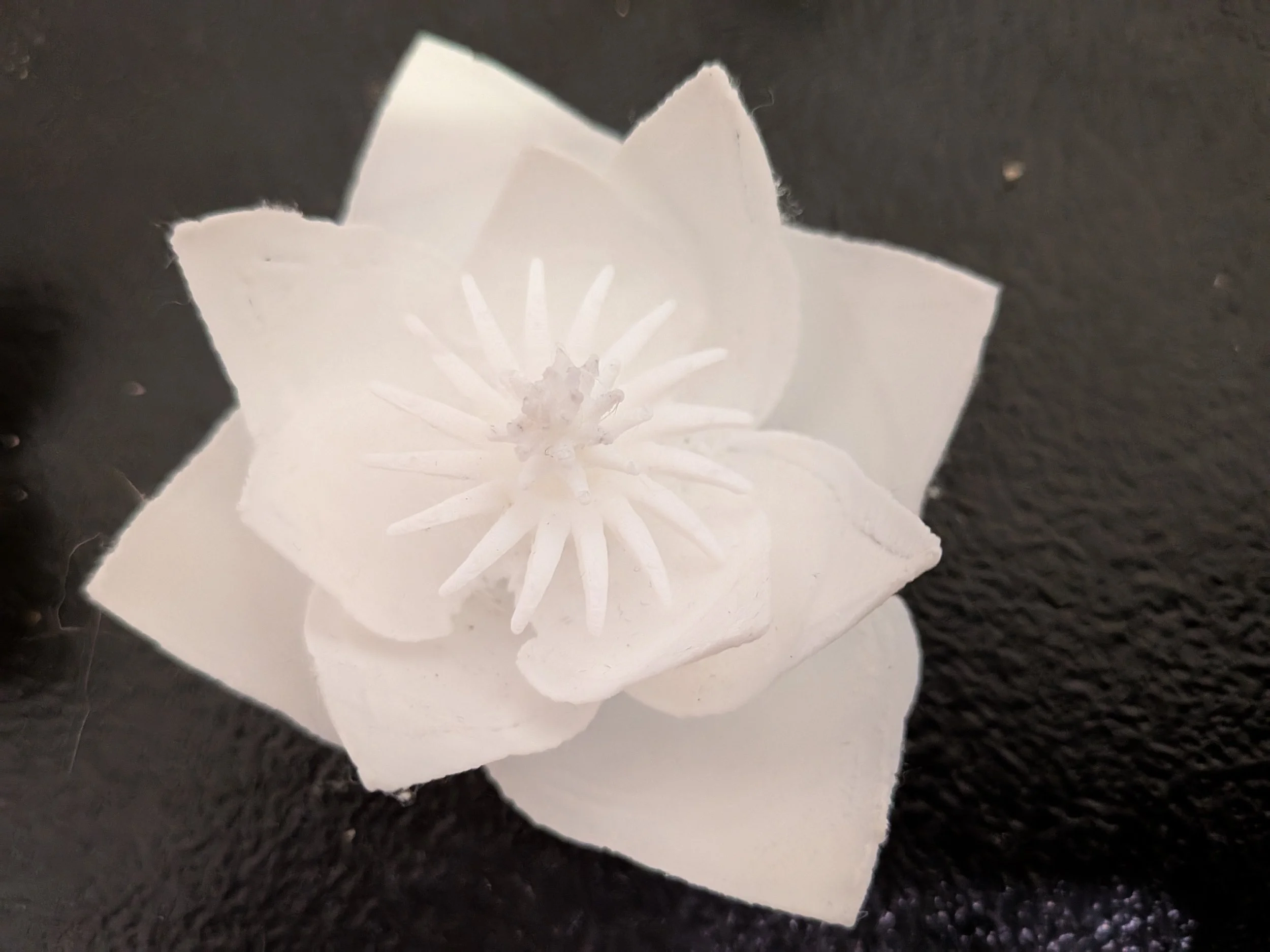
Finishing the Model (Part 2): Pre-processing Methods ie Speed, Layer Height, Ironing
The amount of improvement gained from changing the settings was stellar. It couldn’t rescue a model as fragile as the original, but I was able to use these techniques to redesign the flower with finely detailed petals and better results.
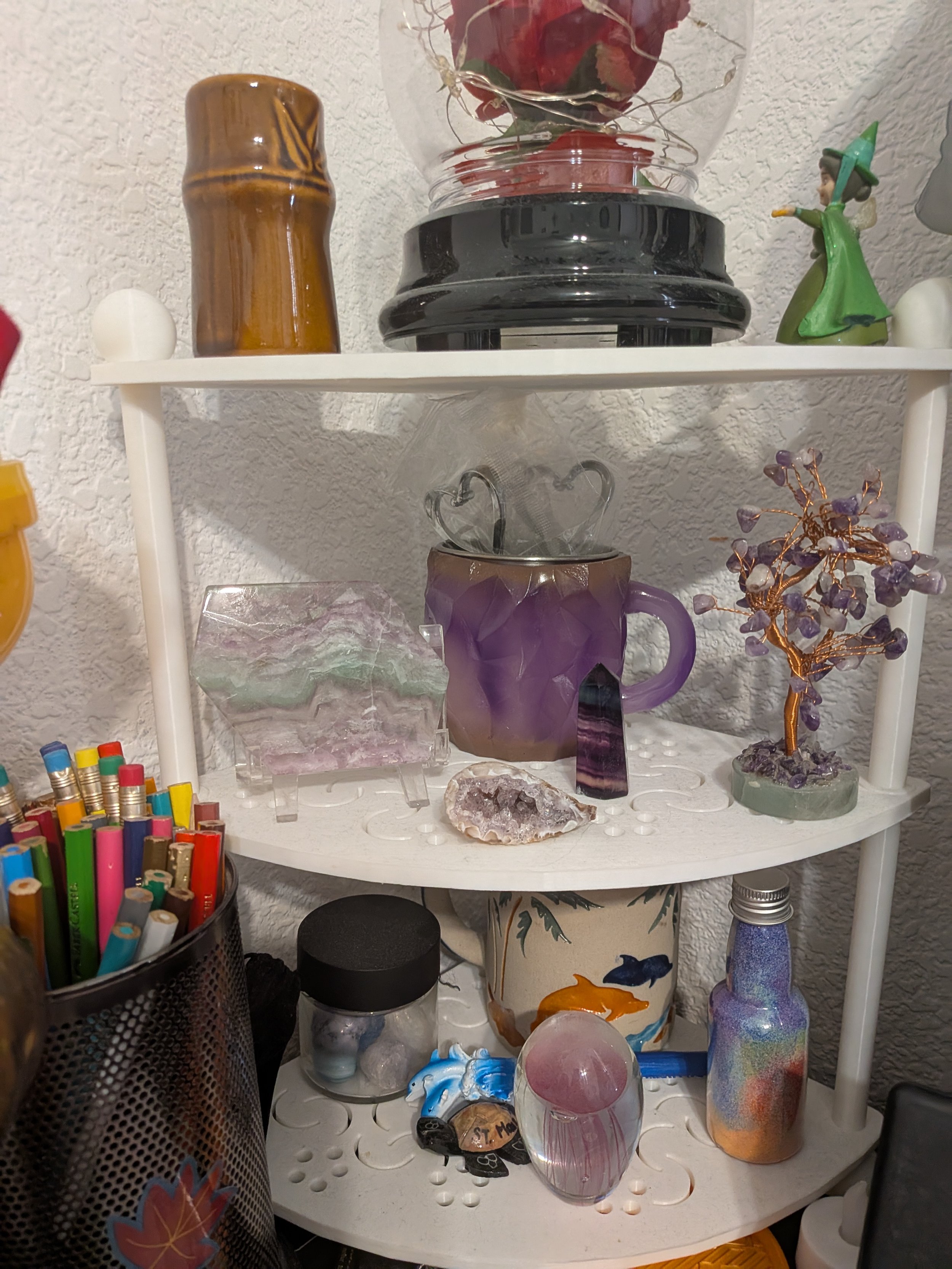
Finishing the Model (Part 1): Sanding, Chisels, and Filler Primer
To make an object look like it isn’t 3-D printed, a model needs to have a smooth surface, with no print lines apparent and no trace of supports. Painting it also helps. This process is called ‘finishing’.
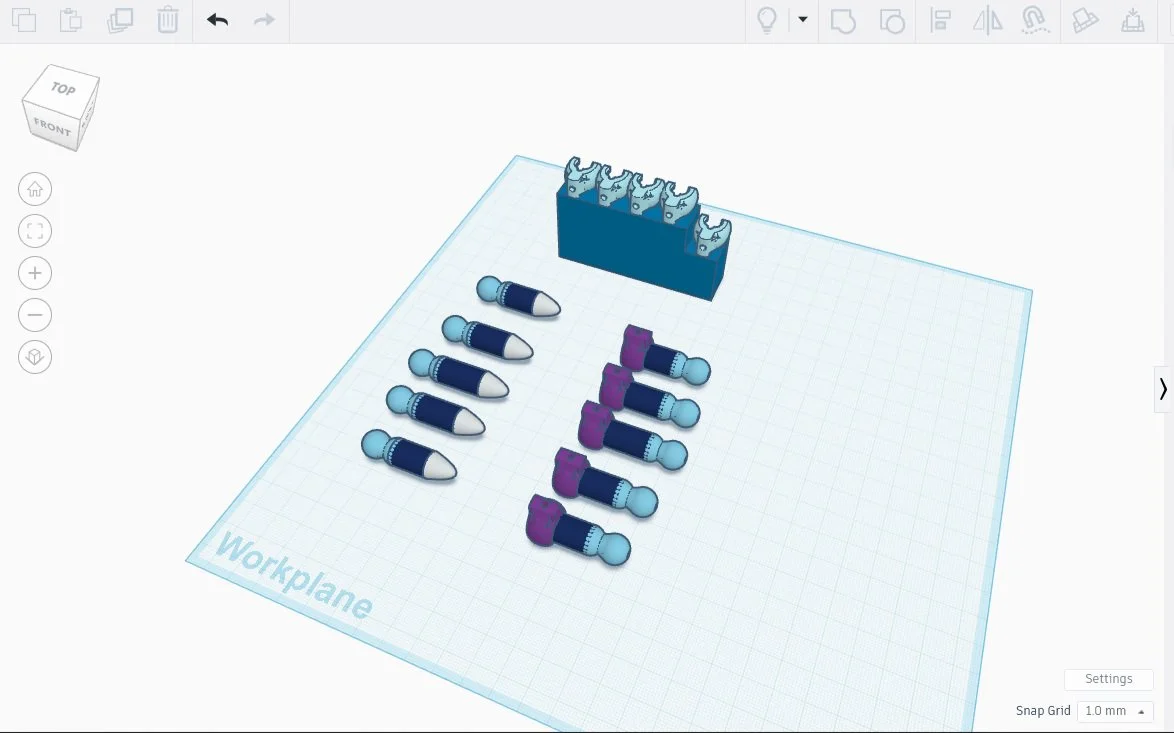
Making Some Ball and Socket Joints in Tinkercad
Have you ever wanted to design ball and socket joints that resemble human fingers? Neither have I, but it’s the next exercise in a book I’m reading. Specifically I’ll be creating 3D-printed movable phalanges, or finger bones, by printing a mostly-rectangular ‘palm’, some socket ‘knuckles’, ball joints on fingers, and some fingertips. The sockets will perform a similar function to ligaments in the human body, allowing the fingers to move. Neat, and also creepy. But neat.


.